
新闻中心
—— NEWS CENTER ——
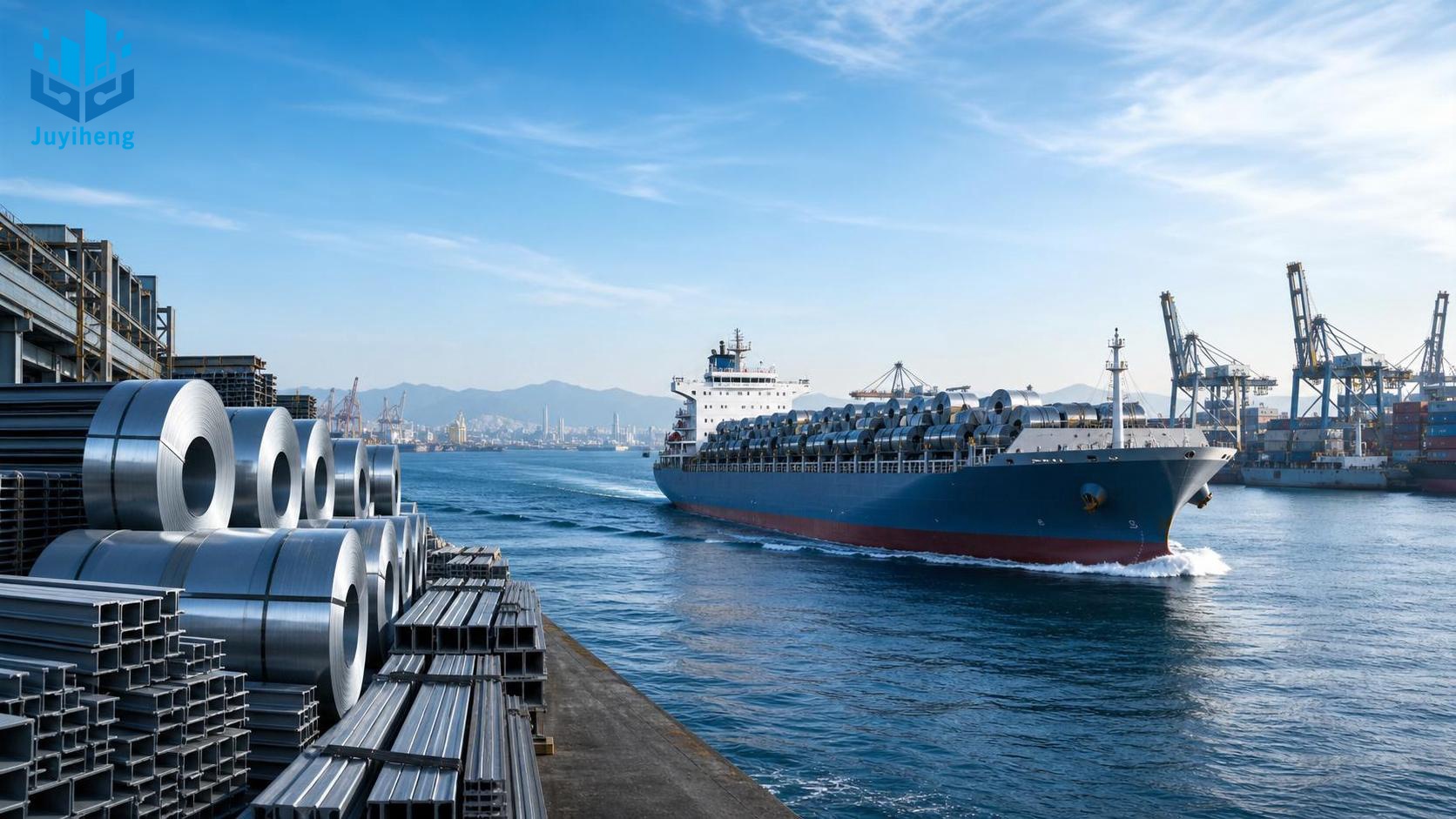
On June 19, 2026, the reopening of the Hormuz Strait following a June 14 agreement between the United States and Iran marks a concrete change in the operating environment for steel trade into the Middle East. For Chinese steel exporters, overseas importers, distributors, and supply chain service providers, the development matters not only because transport disruption is set to ease, but because delivery timing, landed cost calculations, and procurement execution can begin to shift back toward more normal trade conditions.
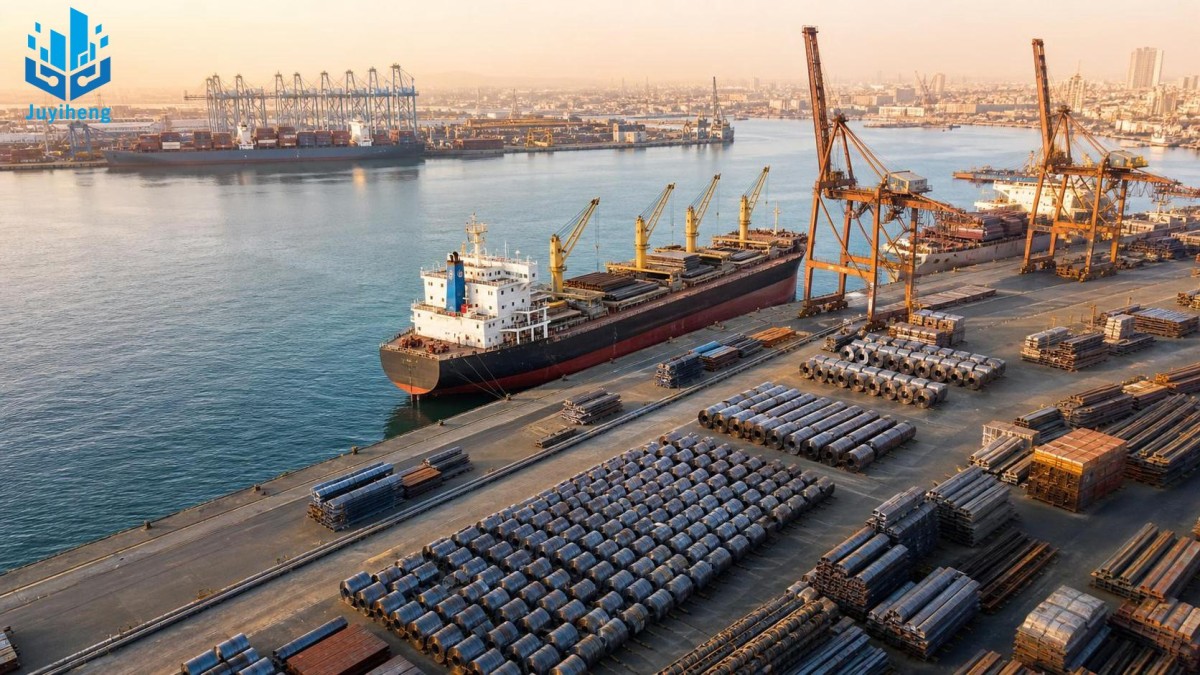
What Has Been Confirmed Since the Strait Reopened
The confirmed timeline is clear: the United States and Iran reached an agreement on June 14, 2026, and the Hormuz Strait was formally reopened on June 19. Before that reopening, shipping disruption had contributed to paralysis at Gulf ports, a sharp rise in freight rates, and delayed orders. For hot-rolled coil shipped to Fujairah, freight had risen to about USD 70-90 per ton. Based on the provided event summary, these pressures are expected to ease significantly, and from late June China's steel deliveries to core Middle East markets such as Saudi Arabia and the United Arab Emirates are expected to shorten by 10 to 15 days, while landed costs are expected to fall by more than 40%.
Where the Trade Rule Change Is Most Likely to Be Felt
Export contracts move from disruption management back to execution
From an industry perspective, direct trading companies and steel exporters are likely to feel the impact first because shipping availability, freight quotations, and delivery commitments are central to contract performance. What deserves closer attention is not only the lower transport burden, but also whether shipment schedules, Incoterms-based cost allocations, and order validity terms need to be reviewed against the new logistics situation. Companies involved in export execution should pay closer attention to shipping documents, delivery clauses, and any contract language that was adjusted during the disruption period.
Import procurement and inventory planning may regain a clearer rhythm
For overseas buyers, distributors, and procurement teams serving Saudi Arabia, the United Arab Emirates, and nearby markets, the reopening creates a more predictable window for restarting purchases and rebalancing stock. Analysis shows the main effect is operational: procurement timing, replenishment cycles, and distribution pacing may be adjusted if the expected reduction in delivery time and landed cost materializes. In practice, these market participants need to watch whether quotations, order lead times, and supplier delivery promises are updated consistently with the restored route conditions.
Supply chain service providers face a reset in coordination priorities
Shipping intermediaries, logistics coordinators, and related service providers may see their role shift from emergency response to normal cargo organization. Observably, the change is relevant to booking arrangements, port coordination, cargo release timing, and backlog handling. These participants should focus on whether transport documents, shipment sequencing, and customer communications need to be updated to reflect the reopened route and the likely release of delayed cargo flows.
What Companies Should Watch in the Next Stage
Recheck delivery commitments against the new timetable
Because the provided information points to a shorter delivery cycle from late June rather than an already completed market reset, companies should review delivery promises, backlog orders, and shipment planning with caution. It is more appropriate to treat the new timetable as an execution signal that requires confirmation in live orders rather than as a fully settled outcome across all transactions.
Update landed-cost models and procurement calculations
Analysis shows that a decline of more than 40% in landed cost, if reflected in actual deals, can materially affect quoting strategy, replenishment timing, and customer pricing. Exporters and buyers should therefore recheck freight-sensitive cost sheets, tender pricing assumptions, and procurement comparisons, especially where earlier calculations were built around disrupted shipping conditions.
Keep trade documents and technical files aligned with restarted orders
As suspended or delayed orders resume, businesses should pay attention to whether order files, shipping papers, technical documents, inspection records, and other trade-related materials remain complete and current. This is particularly relevant where the interruption may have changed shipment windows or document validity expectations, even though no new certification or regulatory rule has been confirmed in the provided information.
Continue monitoring the market's execution language
What deserves closer attention is how customers, suppliers, and service providers begin to describe delivery obligations and purchasing windows after June 19. If tender documents, commercial offers, or procurement notices start reflecting shorter lead times and lower freight assumptions, that would provide a practical sign that the reopening is being incorporated into day-to-day trade execution.
Why This Looks More Like an Execution Signal Than a Final Reset
Observably, this development is best understood as a clear operational signal rather than a complete market normalization already achieved. The confirmed fact is the reopening of the Strait and the expected easing of port stoppages, elevated freight, and delayed orders. The part that still requires observation is how quickly those expectations are translated into actual contract terms, shipment performance, and procurement behavior across the steel trade into the Middle East.
How to Read the Development at This Stage
From an industry perspective, the June 19 reopening matters because it reduces a concrete logistics constraint that had been distorting steel trade into the region. For market participants, the immediate significance lies in cost, timing, and order execution rather than in any newly published formal trade regulation. It is more appropriate to understand this development as an implemented change in the trade operating environment with follow-through effects that still need to be verified through market execution.
Basis of This Article and What Still Needs Verification
This article is generated from the user-provided news title, event date, and event summary. For developments of this type, market participants would usually continue to compare information against official announcements, regulatory releases, customs or trade authority updates, industry association communications, standards-related documents, and reporting by authoritative media. No specific official source link was provided in the input, so the underlying official references still need continued verification. What also remains worth tracking is the detailed market response, the way procurement and tender documents are updated, the consistency of execution language across supply chain participants, and the extent to which delayed orders and logistics arrangements return to a stable rhythm.
Please give us a message
SHANDONG JUYIHENG NEW MATERIALS CO., LTD.