
新闻中心
—— NEWS CENTER ——
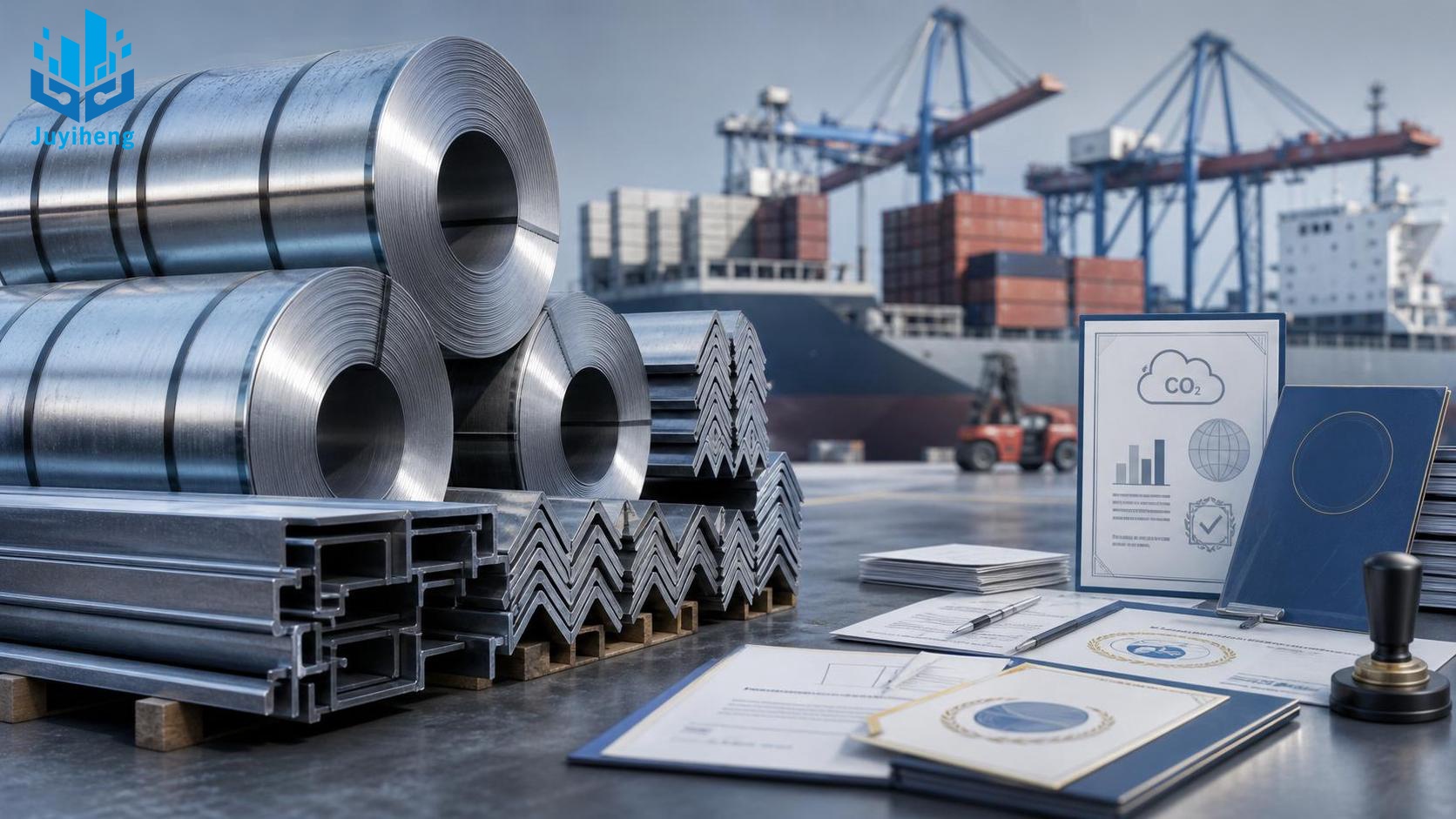
On July 1, 2026, the European Union will move into the formal charging phase of CBAM for steel products, bringing carbon-related compliance directly into customs clearance for steel imports. The development deserves close attention from steel exporters, EU importers, traders, processors, and supply chain service providers because it links certified embedded emissions data and CBAM certificate purchases to cargo release, with direct implications for cost planning and delivery timing in China-EU steel trade.
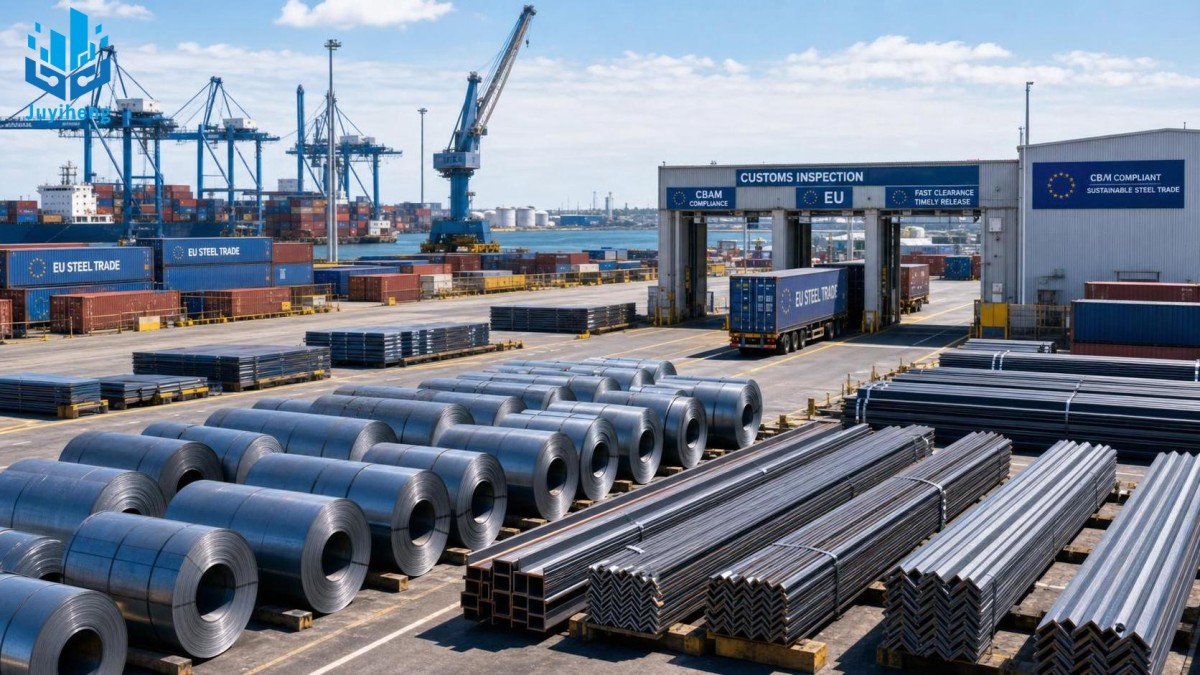
What the July 1 start confirms
According to the provided event information, the formal charging stage of the EU Carbon Border Adjustment Mechanism for steel will begin on July 1, 2026. The scope covers steel products including hot-rolled coils, H-beams, angle steel, I-beams, as well as all sections and semi-finished products within the stated coverage.
The same information confirms that importers must submit certified embedded carbon emissions data before customs clearance and purchase the corresponding CBAM certificates. If these requirements are not completed in advance, shipments may face port delays or financial penalties.
The confirmed impact stated in the input is that this policy directly affects the cost structure and delivery cycle of Chinese steel exports to the European Union.
Where the pressure may show up across the steel trade chain
Export and trading transactions face a tighter compliance link
From an industry perspective, direct trading companies may be affected first because the policy connects customs clearance with emissions documentation and certificate purchasing. The main business impact may appear in quotation structure, shipment preparation, document coordination, and the timing of cross-border delivery.
Processing and manufacturing orders may feel the effect through delivery schedules
Observably, processors and manufacturers shipping covered steel categories to the EU may need to pay closer attention to whether product-related emissions information can support importer declarations on time. The practical concern is not only export cost, but also whether order fulfillment schedules remain aligned with customer requirements once compliance steps are added before clearance.
Logistics and supply chain service providers may see greater documentation sensitivity
For logistics coordinators, customs-related service providers, and other supply chain participants, the issue may center on pre-clearance readiness. Analysis shows that once certified emissions data and certificate purchasing become prerequisites, any gap in document timing could affect cargo flow, handover coordination, and delivery predictability.
EU-side buyers and procurement teams may reassess transaction arrangements
Buyers and procurement teams connected to covered steel imports may also need to watch how carbon-related compliance is reflected in landed cost and shipment timing. What deserves closer attention is whether procurement discussions begin to include not only price and specification, but also documentation readiness and clearance risk.
What companies should watch now
Check whether covered products are already within current export plans
Companies involved in hot-rolled coils, H-beams, angle steel, I-beams, sections, and semi-finished steel should review whether their existing or upcoming EU-bound business falls within the stated scope. This is a practical first step because the compliance burden is tied to covered categories rather than to general market exposure alone.
Focus on the readiness of certified emissions documentation
The provided information makes certified embedded emissions data a pre-clearance requirement. For companies across the transaction chain, the immediate point to monitor is whether supporting data can be prepared, verified, and handed over in a way that matches shipment timing.
Plan for certificate purchasing within shipment timelines
Because importers are required to purchase corresponding CBAM certificates before clearance, businesses should pay attention to how this step fits into order execution. Analysis shows that the issue is not only added cost, but also whether internal coordination and external communication are fast enough to avoid shipment delays.
Separate policy signal from execution detail
What deserves closer attention is the distinction between the policy requirement itself and the operational process of meeting it. Even where the rule direction is clear, companies still need to keep watching for how compliance expectations are reflected in transaction preparation, customer communication, and delivery scheduling.
How this development is best understood at this stage
Analysis shows that this is not just a headline policy update for the steel sector. It is better understood as a concrete compliance threshold tied directly to customs release, which means its relevance is immediate for businesses already shipping covered products to the EU.
At the same time, it is more appropriate to understand this as both a near-term operational change and a longer-term market signal. The near-term issue is execution: emissions data, certificate purchasing, and clearance timing. The longer-term signal is that carbon-related requirements are becoming part of normal trade handling for covered steel products.
Observably, the industry still needs continued attention on how market participants adjust workflows, documentation practices, and delivery planning around the July 1, 2026 start date.
A compliance change with direct trade implications
Based on the confirmed information, the key significance of this development is that carbon compliance is becoming a direct condition of steel import execution in the EU for the covered product range. The immediate concern is less about abstract policy discussion and more about whether importers and their upstream partners can complete the required preparation before customs clearance.
It is more appropriate to understand this news as an actionable industry development rather than a distant policy signal. For companies involved in China-EU steel trade, the practical focus now is on readiness, timing, and communication across the transaction chain, while continuing to watch for any further clarifications in implementation.
Basis of this article
This article is based on the user-provided news title, event date, and event summary. The current text does not include a specific official source link, so any official announcement, enterprise disclosure, industry association update, authoritative media report, or standards-related document connected with this type of development should continue to be checked for verification.
Where further observation is needed, the main follow-up points include whether there are additional official clarifications on implementation, how covered businesses handle documentation and certificate preparation in practice, and whether execution timelines create new pressure points in delivery arrangements.
Please give us a message
SHANDONG JUYIHENG NEW MATERIALS CO., LTD.