
新闻中心
—— NEWS CENTER ——
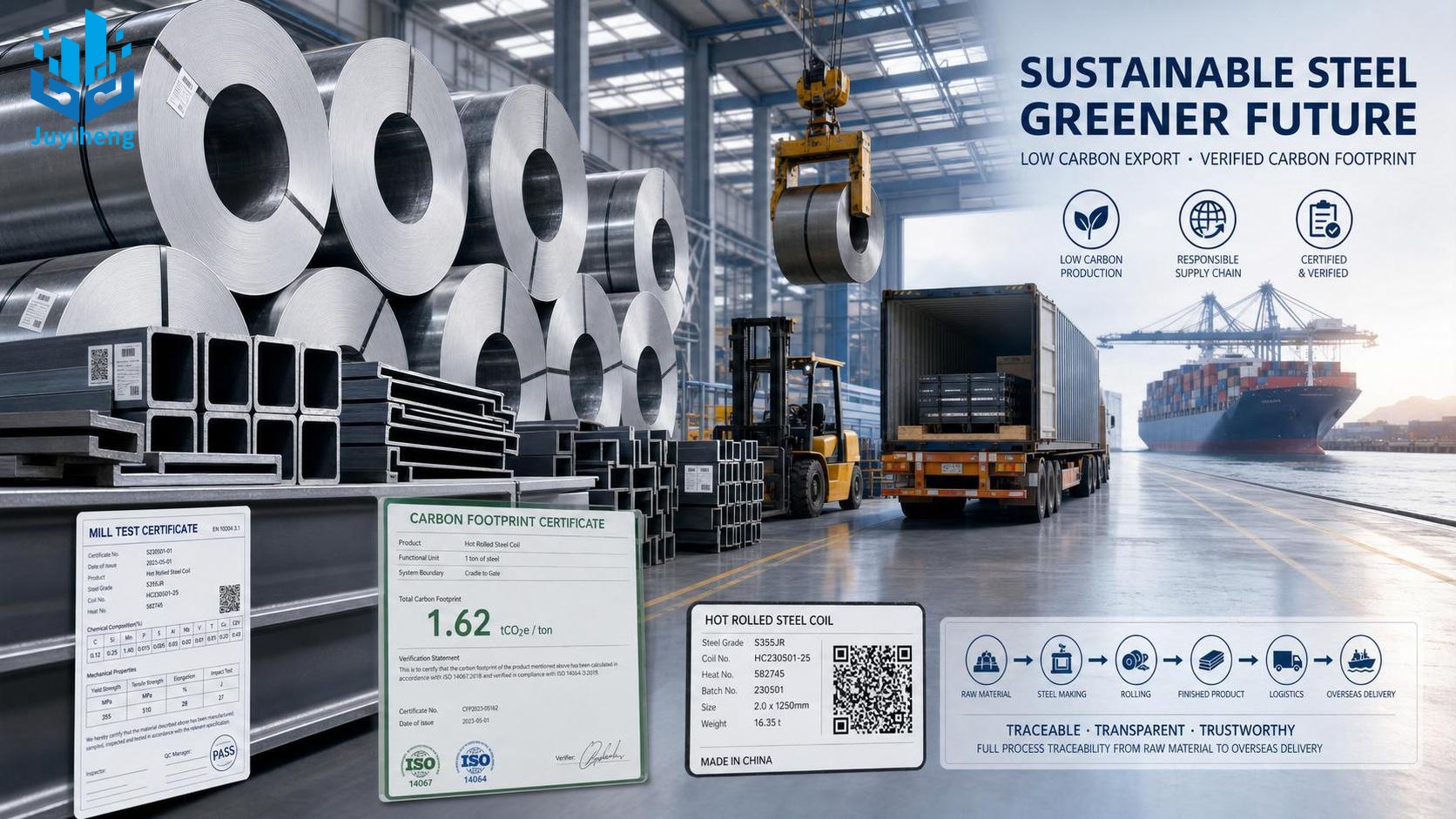
On June 17, 2026, Chongqing announced substantive talks on an Export Product Carbon Footprint Mutual Recognition Memorandum with the EU, Singapore, and other countries along key trade corridors. For steel exporters, overseas buyers, certification-related service providers, and supply chain teams, this is a noteworthy policy signal because it points to a more structured compliance path for products such as hot-rolled coil and section steel facing carbon-related trade requirements including CBAM.
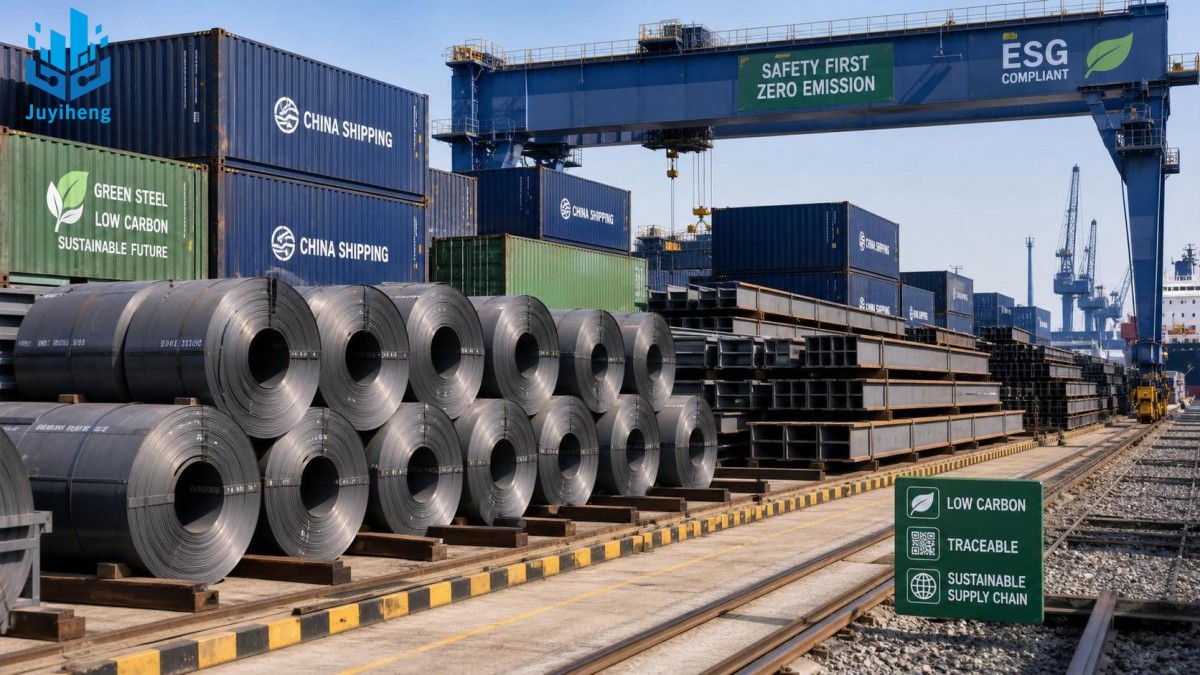
What has been formally announced so far
According to the information provided, the announcement was made by the Chongqing Municipal Ecology and Environment Bureau during activities for the 14th National Low Carbon Day on June 17, 2026. The disclosed point is that Chongqing is in substantive consultations with the EU, Singapore, and other countries along external trade routes on signing an Export Product Carbon Footprint Mutual Recognition Memorandum.
The first phase is set to cover key steel categories including hot-rolled coil and section steel. The stated objective is to establish mutually recognized accounting methods, databases, and certification mechanisms. The same summary also indicates that such an arrangement is intended to reduce repeated verification costs and compliance uncertainty for Chinese steel exporters dealing with the EU CBAM, while giving overseas importers verifiable, creditable, and traceable green supply chain credentials.
Where the trade and compliance impact may appear first
Export transactions may shift from repeated proof to comparable proof
Analysis shows that the most immediate relevance is for companies directly exporting covered steel products. If mutual recognition progresses into an accepted operational framework, the practical impact is likely to center on how carbon footprint evidence is prepared, reviewed, and presented in export documentation. What deserves closer attention is whether existing carbon accounting records, product declarations, and certification materials can align with the mutually recognized methodology once more specific rules are released.
Overseas buyers may place greater weight on traceable carbon credentials
From an industry perspective, importers and procurement teams are also likely to be affected because the announcement emphasizes verifiable, creditable, and traceable green supply chain credentials. This suggests that purchase decisions, supplier screening, and contract documentation may increasingly focus on whether carbon footprint information can be checked and accepted across markets, rather than being treated as an informal supporting statement.
Certification and verification services may face new alignment demands
Observably, the move also matters to certification-related businesses and testing or verification service providers. The reason is not simply more documentation, but possible convergence around accounting methods, databases, and certification mechanisms. That could affect how audits are prepared, how evidence is formatted, and how consistency is maintained between exporter files and buyer-side compliance review.
Supply chain coordination may become more document-sensitive
For processors, distributors, and supply chain service teams linked to the covered steel categories, the effect may appear in handover records, product traceability, and delivery files. Analysis shows that once carbon footprint recognition becomes more standardized, weak links are often found not in the product itself but in document continuity across sourcing, processing, shipment, and customer acceptance.
What companies should watch while details are still developing
Track the official wording around scope and recognition conditions
It is more appropriate to understand this as an important execution signal rather than a fully settled rule set. Companies should therefore pay close attention to later official wording on product scope, recognition conditions, and whether different markets apply the mutual recognition outcome in the same way.
Review whether current files can support carbon traceability
Analysis shows that exporters of hot-rolled coil, section steel, and related products should examine whether current records can support a traceable carbon footprint chain. This includes checking whether technical files, product records, and compliance materials are organized in a form that can be consistently reviewed by customers, certification bodies, or trade-facing compliance teams.
Watch procurement and contract language from overseas customers
What deserves closer attention is not only public policy language but also market execution documents. Buyers may begin to reflect carbon-footprint-related expectations in purchasing terms, tender requirements, supplier questionnaires, or delivery documentation. Even before full implementation is clarified, contract language may move earlier than formal recognition practice.
Prepare for changes in delivery and review timelines
Observably, if accounting methods and certification mechanisms become more formalized, some companies may need additional internal coordination before shipment or customer submission. That does not confirm longer lead times as a fact, but it does make document readiness, review sequencing, and supplier qualification checks more relevant operational issues.
Why this is better read as a policy signal than a finished rulebook
From an industry perspective, this development matters because it links carbon accounting, certification, and trade compliance more directly in steel exports. At the same time, the available information describes substantive consultations and a first-phase coverage plan, not a completed implementation framework. Analysis shows that the market should therefore read this as a concrete policy direction with potential execution value, while still waiting for further clarification on recognition standards, acceptance practice, and documentation requirements.
How to interpret the current stage
A measured reading is that the announcement clarifies a possible green compliance path for part of China’s steel exports, especially where carbon-related trade review is becoming more important. It should not yet be treated as proof that all recognition conditions are finalized, but it is also more than a general statement of intent because the disclosed focus on methods, databases, certification, and initial product categories gives the market a clearer compliance signal.
Basis of this article
This article is generated from the user-provided news title, event date, and event summary. For developments of this kind, commonly relevant source types may include official announcements, releases from regulatory authorities, trade or customs-related notices, industry association updates, standards documents, and reporting by established media. A specific official source link was not provided in the input, so the precise source path still needs further verification. It remains necessary to continue watching later policy details, certification interpretation, changes in tender and procurement documents, market feedback, and how companies implement the announced direction in practice.
Please give us a message
SHANDONG JUYIHENG NEW MATERIALS CO., LTD.