
新闻中心
—— NEWS CENTER ——

The European Union is set to implement new steel safeguard measures on July 1, 2026, following approval on May 19, 2026. The change deserves close attention from steel exporters, importers, manufacturers, procurement teams, and supply chain service providers because it combines a sharp reduction in duty-free import quotas with a much stricter origin test for steel products, directly raising compliance and delivery costs for business linked to the EU market.
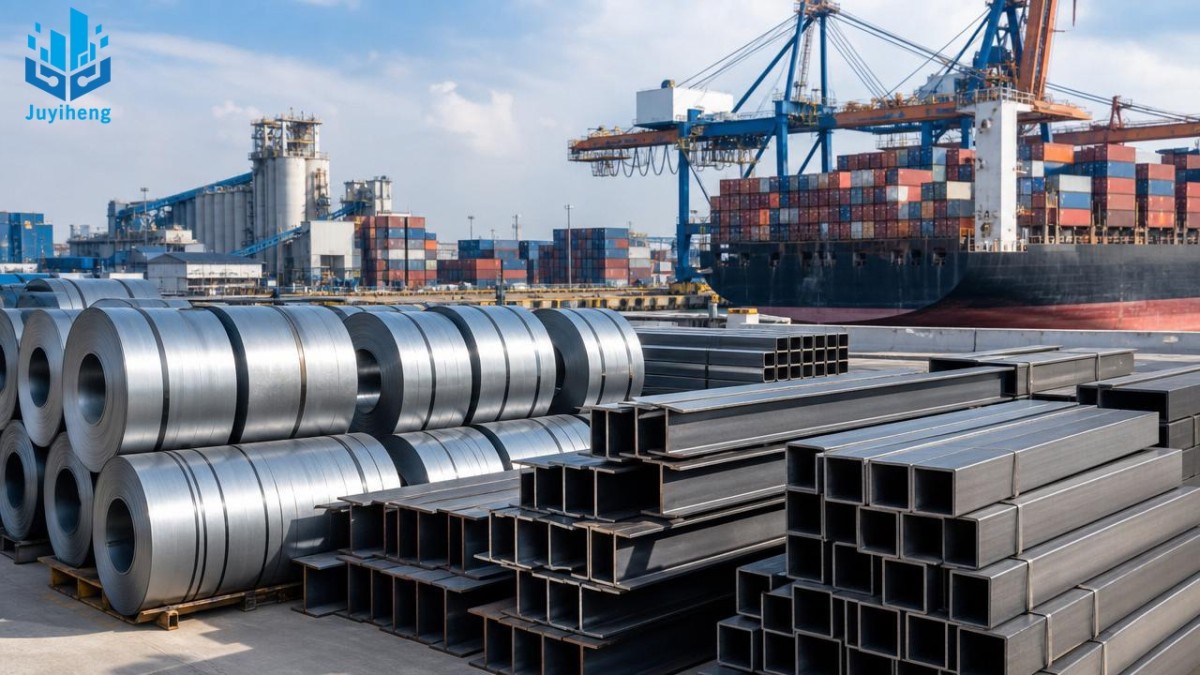
What the new EU measures formally change
According to the provided information, the EU approved new steel protection measures on May 19, 2026, and they will formally take effect on July 1, 2026. Under the new rules, the duty-free import quota will be reduced to 18.3 million tonnes, representing a cut of nearly 50%. Steel products that exceed the quota will face a 50% tariff.
The measures also introduce the Melt and Pour Rule on a mandatory basis for the first time. Under this rule, origin is determined by the location of the first melting. The stated purpose is to block rerouting or circumvention through third countries such as Southeast Asian markets and Turkey. The provided summary also states that the policy directly targets mainstream export routes used for Chinese steel shipments and significantly increases compliance thresholds and costs for deliveries into Europe.
Where the pressure is likely to show up first
Direct exporters face a narrower margin for error
From an industry perspective, direct trading companies selling steel into the EU are likely to feel the impact first because both market access and compliance conditions become tighter at the same time. The most immediate pressure points are quota management, tariff exposure once volumes move beyond quota, and the ability to document origin in line with the new tracing requirement.
Processors and manufacturers may see tighter documentation demands
Analysis shows that manufacturers and processors involved in cross-border supply arrangements may need to pay closer attention to how upstream production origin is evidenced. Even where the final shipment route involves multiple countries, the first melting location becomes more important for compliance review under the new rule.
Supply chain and logistics providers may face added execution risk
For supply chain service providers, the issue is not only transport execution but also whether routing, documentation flow, and delivery timing still fit the customer's compliance expectations. What deserves closer attention is the reduced room for flexible rerouting if a shipment structure previously relied on third-country transit to serve the EU market.
EU-facing buyers may reassess sourcing stability
Procurement teams and downstream buyers connected to the EU market may need to monitor whether suppliers can still meet required delivery terms under higher tariff and traceability pressure. The commercial issue is not limited to price; it also includes whether origin documentation and shipment planning remain acceptable under the new framework.
What companies should watch in practical terms
Separate confirmed rules from operational interpretation
Analysis shows that companies should distinguish between the confirmed headline measures and the way they will be applied in day-to-day transactions. The quota reduction, 50% over-quota tariff, and Melt and Pour Rule are the confirmed points in the provided information, while actual transaction handling may depend on how these requirements are implemented in practice.
Review product lines and EU-bound order exposure
Businesses with EU-bound steel shipments should pay particular attention to which product categories, customer orders, or delivery windows are most exposed to quota pressure and possible tariff costs. This is especially relevant where pricing, lead times, or order commitments were built around earlier market access assumptions.
Recheck supplier credentials and origin records
Observably, the new origin standard makes upstream records more important. Companies should focus on whether supplier documentation, production records, and supporting trade paperwork are aligned with a first-melt origin test rather than relying only on later-stage processing or transit arrangements.
Prepare customer communication and delivery contingencies
What deserves closer attention is the gap between policy announcement and delivery execution. Commercial teams, logistics teams, and customer-facing staff may need contingency plans for pricing adjustments, delivery sequencing, and communication with EU clients if compliance review or tariff exposure changes the feasibility of shipment plans.
Why this looks bigger than a routine tariff update
Analysis shows that this development is more than a short-term quota adjustment because it combines volume restriction with a stricter traceability concept. That combination matters because it affects not only cost after import thresholds are crossed, but also the structure of how origin is assessed. It is more appropriate to understand this as both an immediate operational change and a longer-term policy signal about tighter scrutiny of steel trade routes into the EU.
At the same time, this remains a development that requires continued observation. The confirmed information establishes the rule change and its direction, but companies will still need to watch how market participants adjust their sourcing, documentation, and delivery practices once the measures are in force.
How the market should read this stage
At this stage, the EU's July 1 steel measures are best understood as a concrete compliance and cost change for EU-facing steel business, rather than as a routine headline with limited effect. The immediate signal is clear: lower quota access, high over-quota tariff exposure, and tighter origin scrutiny now sit together in one framework. A neutral reading is that the policy already changes the risk profile of serving the EU steel market, while the full commercial effect still depends on how companies adapt in execution.
Basis of this article and what still needs verification
This article is based on the user-provided news title, event date, and event summary. For this type of industry development, commonly relevant source categories may include official government or regional authority notices, company disclosures, industry association updates, authoritative media reporting, and standard-related documents.
A specific official source link was not provided in the input, so the exact official publication path still needs ongoing verification. Follow-up attention should focus on any later official wording, implementation details, and market-facing guidance related to quota handling, tariff application, and origin documentation under the Melt and Pour Rule.
Please give us a message
SHANDONG JUYIHENG NEW MATERIALS CO., LTD.