
新闻中心
—— NEWS CENTER ——
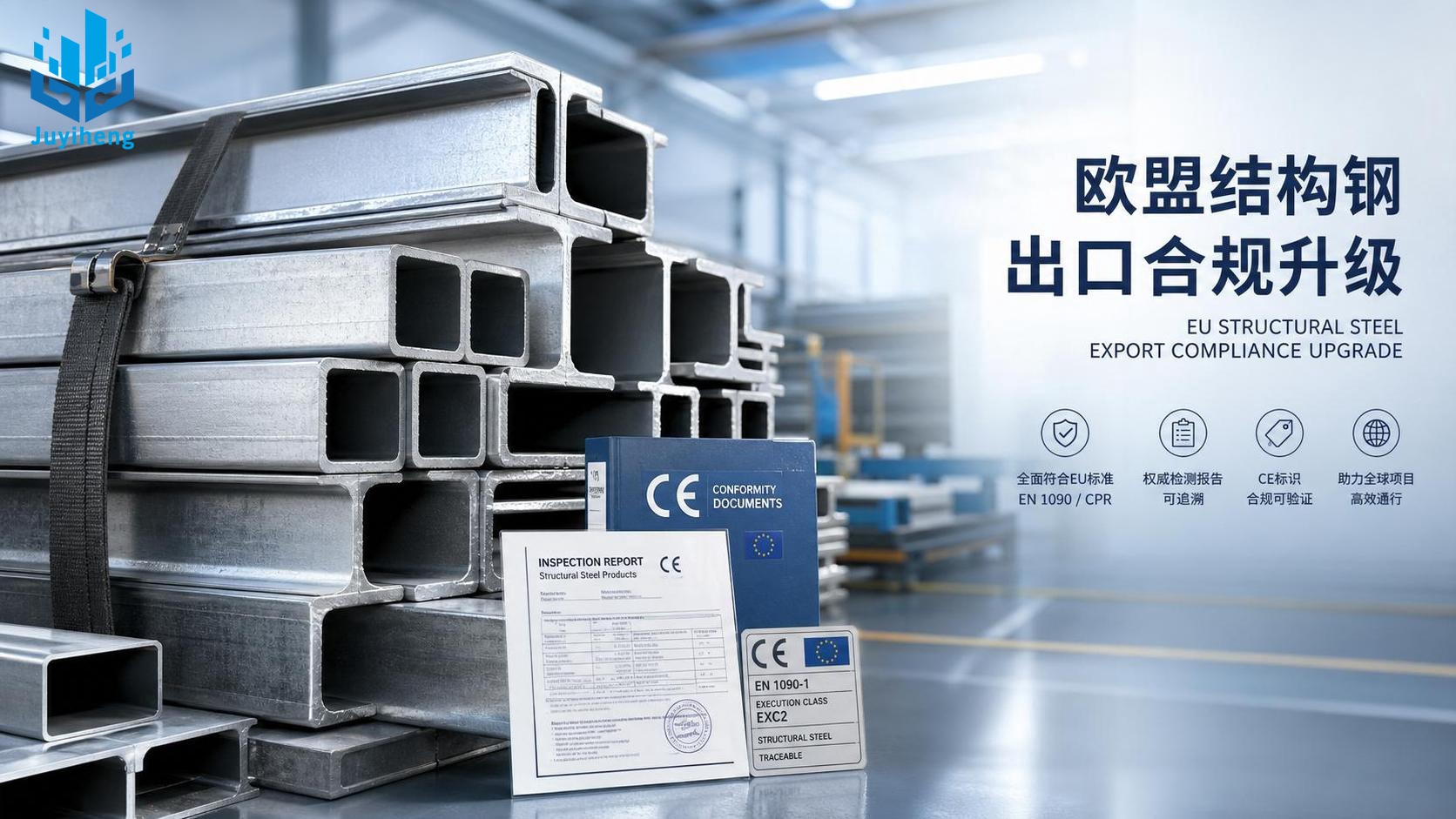
On October 1, 2026, the revised EN 1090-1:2026 framework becomes mandatory earlier than previously expected for CE marking in structural steel placed on the EU market. The change follows the publication of the revised standard in the Official Journal of the European Union on June 27, 2026, and it deserves close attention from exporters, fabricators, buyers, and supply-chain teams involved in H-sections, I-beams, and square or rectangular structural tubes, because the compliance window has narrowed while technical requirements have expanded.
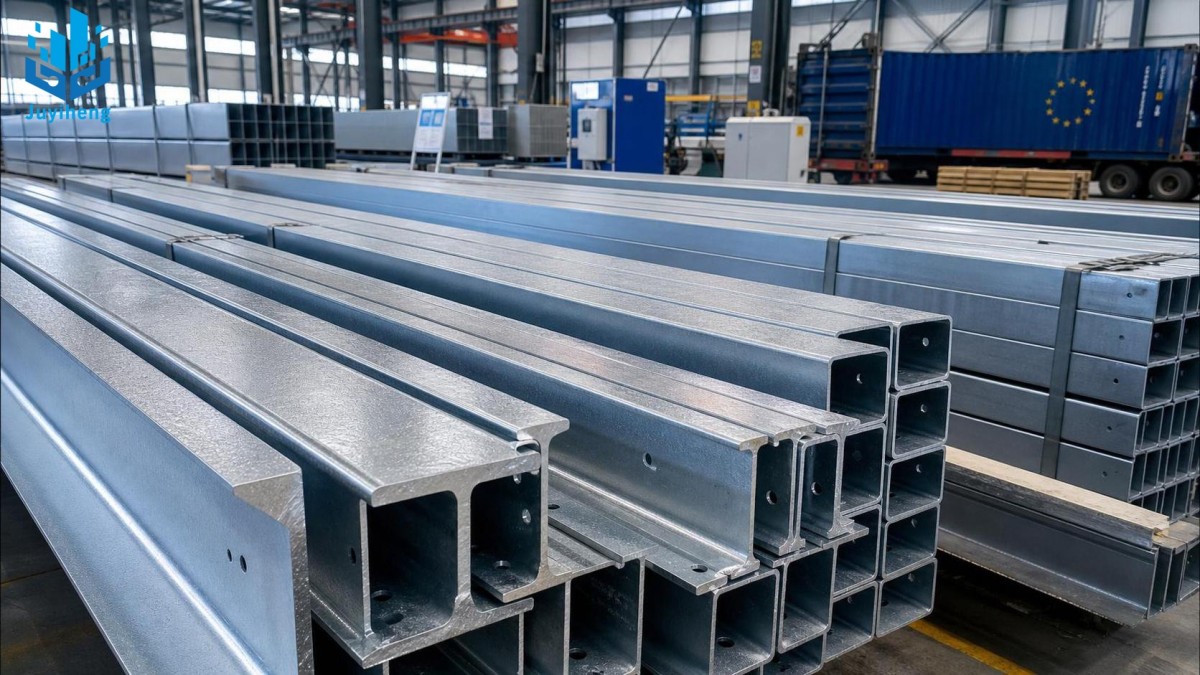
What the revised standard confirms
The confirmed update is that the EU has published a revised version of EN 1090-1:2026 for structural steel used in construction, and the mandatory start date for CE certification has been moved forward from January 1, 2027 to October 1, 2026. The revised requirements also expand mandatory expectations relating to hot-dip galvanized coating adhesion, nondestructive testing grades for welds, and digital traceability of manufacturing data. The adjustment directly affects the compliance path and delivery timing for Chinese steel exporters supplying structural profiles such as H-beams, I-beams, and square or rectangular tubes to the EU.
Where the pressure is likely to appear first
Export-facing suppliers will feel the timeline squeeze
From an industry perspective, direct trade companies and export-oriented manufacturers are likely to face the earliest impact because the implementation date has been brought forward by three months. The main pressure point is the transition from order planning to compliant shipment, especially where EU-bound products depend on certification timing, supporting documentation, and customer acceptance before delivery.
Processing and fabrication teams will need closer control of technical evidence
Analysis shows that manufacturers and processors of structural sections may be affected in production and quality-control stages, because the revised standard specifically expands mandatory requirements around galvanized coating adhesion, weld inspection grades, and digital manufacturing traceability. What deserves closer attention is whether existing production records, testing arrangements, and inspection workflows are sufficient for EU-facing compliance needs under the new timing.
Logistics and delivery coordination may become more sensitive
Supply-chain service providers, distributors, and procurement teams may also be affected through scheduling and handover risk. The issue is not only whether goods are manufactured on time, but whether the related compliance materials align with the revised standard before shipment and delivery milestones. For buyers and channel partners, the practical concern is whether lead times or acceptance conditions need to be reviewed in current or upcoming transactions.
What companies should be watching now
Track the practical interpretation of the earlier date
What deserves closer attention is the difference between the published policy signal and day-to-day execution in contracts, shipments, and customer documentation. Companies involved in EU deliveries should monitor how the earlier October 1, 2026 date is reflected in transaction timing, project scheduling, and compliance review expectations.
Review product lines most exposed to EU structural use
For businesses supplying H-sections, I-beams, and square or rectangular structural tubes, the immediate focus should be on which product categories are most directly tied to EN 1090-1:2026 requirements. This is especially relevant where multiple specifications or destinations are handled through the same production and export process.
Check document readiness against the expanded requirement areas
Analysis shows that document preparation may become as important as factory execution. Companies should pay close attention to whether records related to hot-dip galvanized coating adhesion, weld nondestructive testing grades, and digital manufacturing traceability are complete, consistent, and ready for customer or compliance review within the shortened implementation window.
Prepare for customer communication around lead time and acceptance
Observably, the earlier mandatory date may affect delivery discussions with EU customers. Exporters, traders, and project teams should be ready to clarify compliance timing, product status, and documentation readiness so that shipment planning and acceptance expectations remain aligned.
Why this should be read as more than a date change
This development is not only about moving a compliance deadline forward. Analysis shows that the combination of an earlier mandatory date and broader technical requirements points to tighter execution expectations in the EU structural steel compliance environment. It is more appropriate to understand this as both an immediate operational change and a longer-term signal that documentation, inspection evidence, and digital traceability are becoming more central in market access.
How to interpret the current signal
At this stage, the most neutral reading is that the market now has a confirmed regulatory timing change together with clearly expanded mandatory focus areas. For affected companies, this is best understood as a near-term compliance adjustment with direct consequences for preparation cycles, while also serving as a longer-term indicator of where technical scrutiny may continue to deepen. It does not by itself define every commercial outcome, but it does change what needs attention now.
Basis of this article
This article is based on the user-provided news title, event date, and event summary concerning the revised EN 1090-1:2026 standard and the earlier mandatory CE certification date of October 1, 2026. For this type of industry update, commonly relevant source categories may include official notices, standards publications, company disclosures, industry association materials, authoritative media reporting, and documents from standard-setting bodies. The specific official source link was not provided in the input, so continued verification remains necessary. Follow-up attention should remain on any further official wording, implementation interpretation, and how the revised requirements are applied in actual export and delivery practice.
Please give us a message
SHANDONG JUYIHENG NEW MATERIALS CO., LTD.